
What Copenhagen’s 3 Days of Design told me about colour.
Part of doing this job well is staying close to what’s happening beyond New Zealand. Not to import ideas wholesale or chase what’s landing on everyone’s feed, but because colour doesn’t exist in isolation from the broader design conversation. What’s being explored in showrooms and installations in Copenhagen eventually finds its way here. Understanding where things are heading makes me better at what I do for clients at home.
This was my first time at 3 Days of Design, and it's unlike any event I've attended and I've attended a few. In a previous life I worked in experiential design, so I know what it takes to create something that feels genuinely immersive rather than just well-dressed. Over 450 exhibitors spread across eight districts of the city, and somehow it never tips into trade show territory. You walk into an installation and find yourself in conversation with the maker, the designer, the person whose hands built what's in front of you. The best spaces worked on a sensory level — tactility, architecture, taste, sound and emotion — creating an atmosphere rather than an exhibition. In a city that seems to generate style effortlessly, it felt considered in a way that went beyond aesthetics.
I went with a colour specialist's eye. That's the lens I'm sharing here.
First things first: Danish design is not what you think
There’s a persistent assumption that Scandinavian design means white walls and restrained palettes. Copenhagen dismantled that within the first few hours.
Danish colour is not bold or loud. But it is deeply present. The palettes I kept encountering were made up of multiple hues, each with an earthy softness — dusty edges that gave them warmth and a sense of being lived in rather than staged. These were colours that had clearly been thought about. Not chosen to make a statement but chosen to create a feeling.
That distinction is everything.
The colours that kept appearing
Walking the city over three days, certain colours repeatedly surfaced. Not because a single brand was pushing them but because they kept appearing independently across different spaces and different designers. That kind of repetition tells you something real is happening.
It’s worth saying with 450 exhibitors it’s impossible to cover everything. These are the colours I saw, reflected in the spaces I visited, someone else could have come away with an entirely different story.
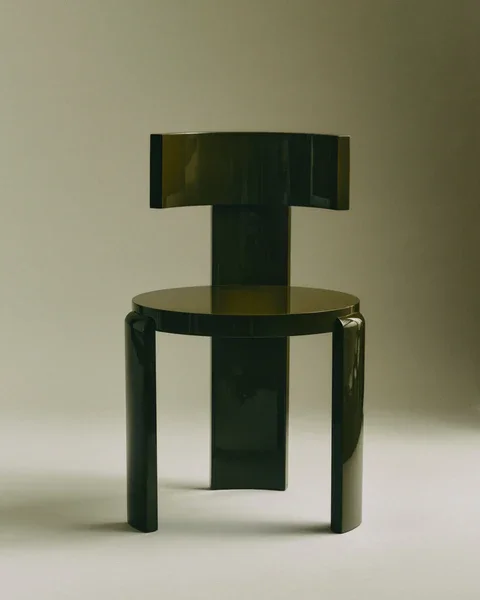
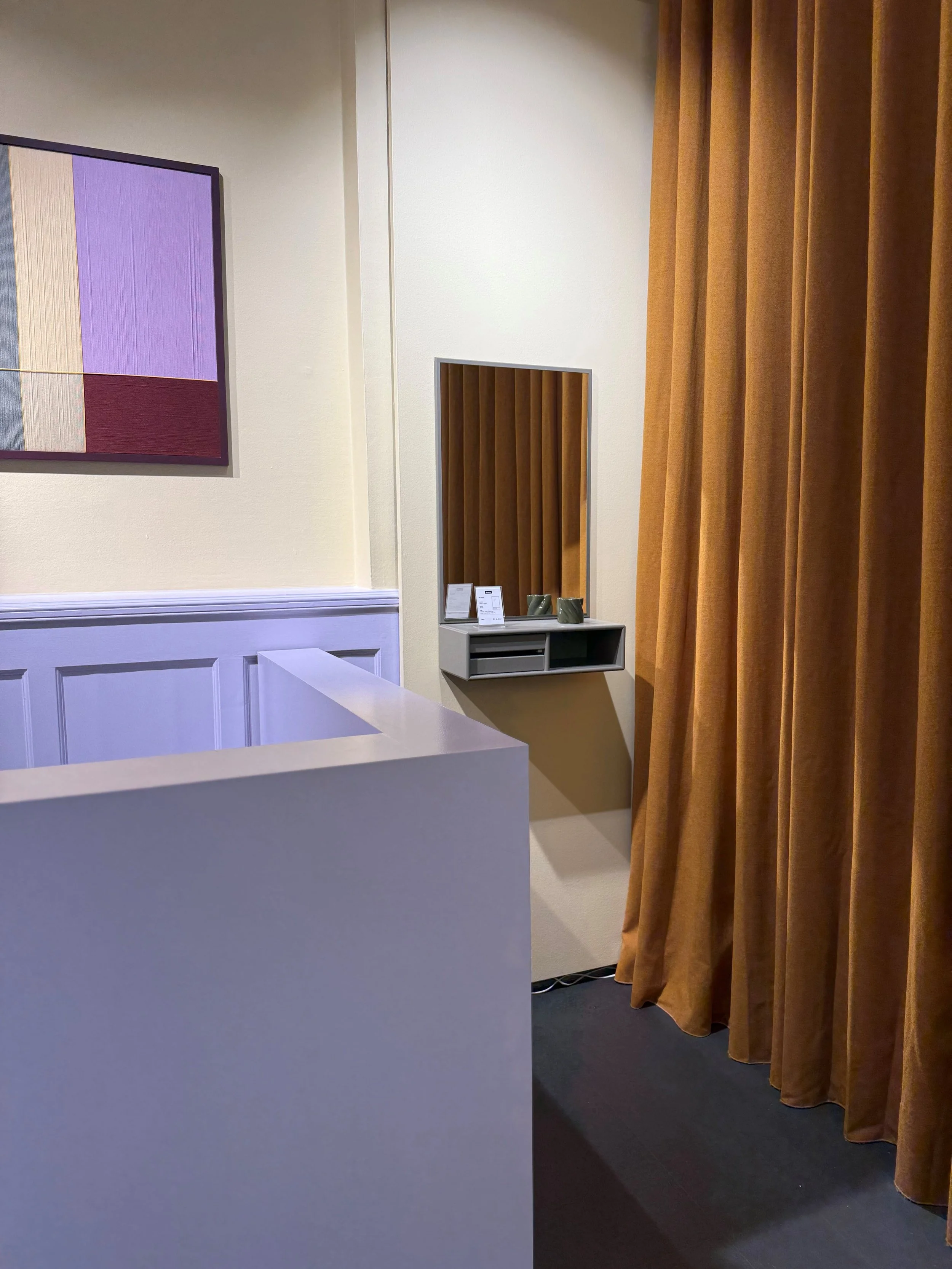
Burgundy — and everything around it.
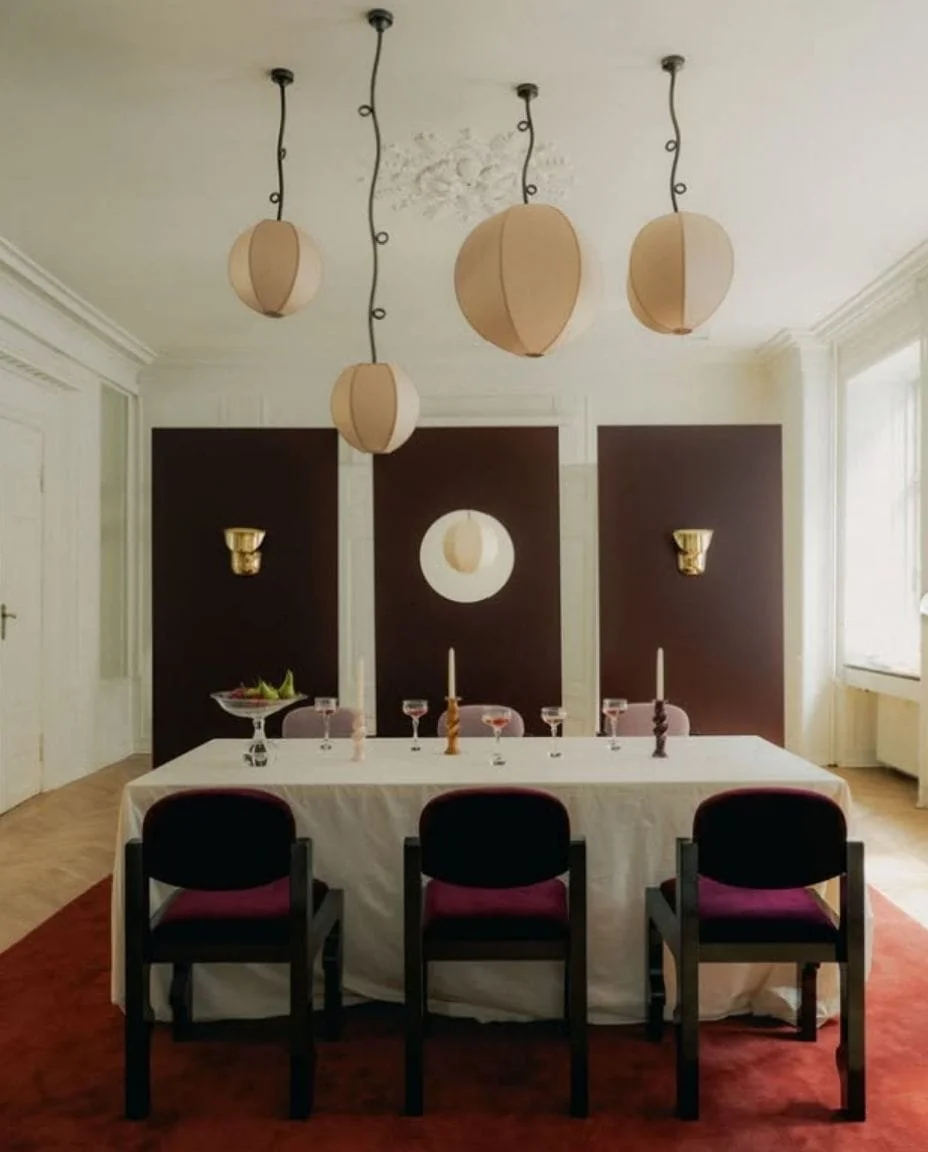
This was the dominant colour story. Not a single burgundy but a whole family — plum, mulberry, deep wine. Rich and full bodied, used across furniture, textiles and walls. These are confident colours that bring depth and warmth without feeling heavy. Softer variations dipping into pink pulled the family into tonal territory, quieter but no less considered.
Butter yellow.
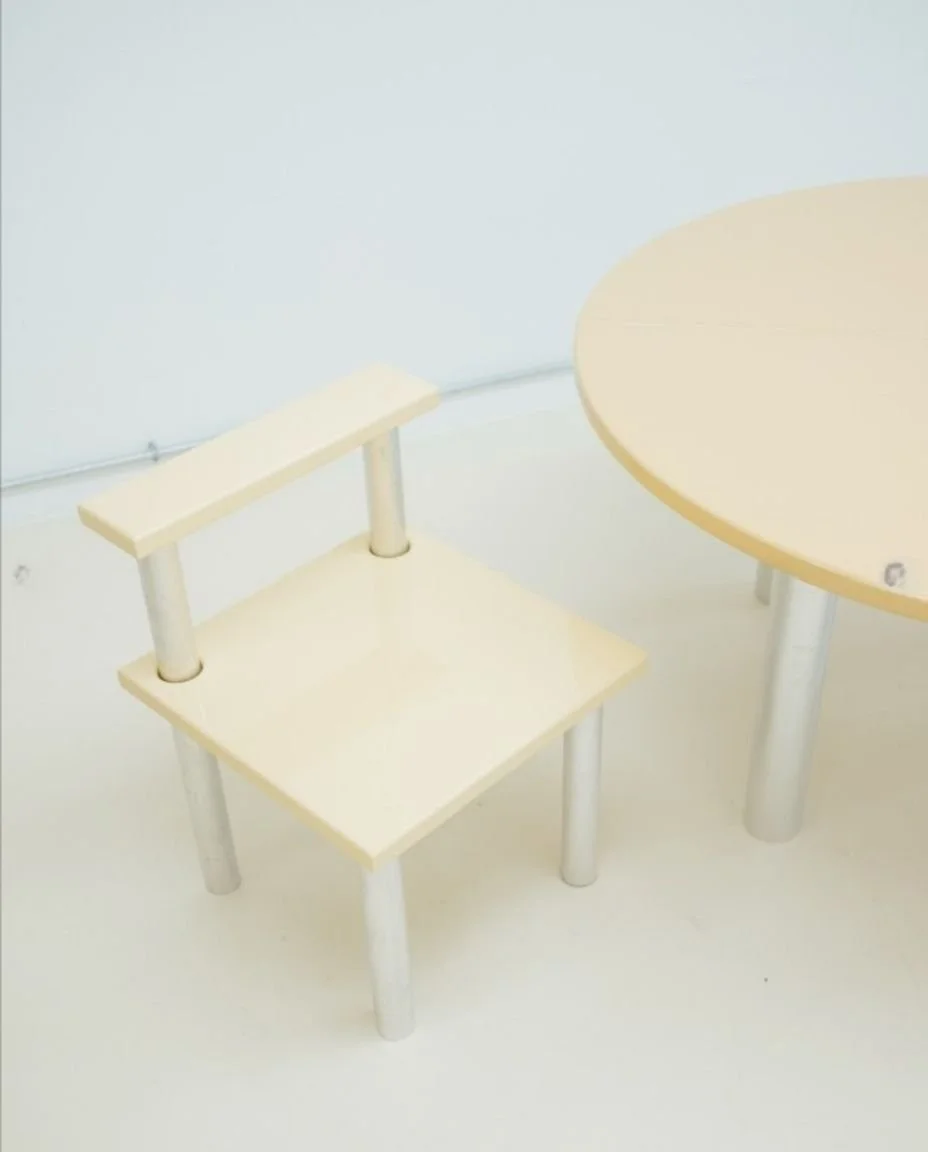
This one was more subtle which is part of what made it interesting. You’d catch it in your peripheral vision rather than straight on. Warm, hazy, almost watercolour-like. Belgian artist Jord Lindelauf had chosen it as his anchor hue precisely because it works across multiple schemes and interestingly, he noted, across different cultures. It appeared as paint, in furniture, woven into pattern. It carries a quiet optimism that feels genuinely useful right now.
Olive but with a yellow undertone.
Not the olive we’ve been seeing for the past few years. This one was deeply pigmented with a real lift pushing it towards chartreuse, which gave it energy while keeping that earthy quality intact. Think of it as a grown-up green: cool and collected rather than attention seeking. It’s a colour that sits well alongside different materials including timbers.
Chrome.
Technically not a colour and that’s exactly the point. One designer described it as a non-colour, something he reaches for knowing it will work within any palette and any setting. It appeared everywhere: furniture, lighting, objects, entire installations. The silvery version felt the most considered understated in a way that made it quietly the chicest thing in the room.
Dusky blue, soft pink and the autumnal earth hues.
These were the supporting cast — and the best spaces knew exactly how to use them. The blues and pinks appeared almost interchangeably, greyed off and never sharp, always in service of the overall atmosphere rather than trying to be noticed. Tobacco, rust and autumnal reds did slightly more work, a moody, deeply pigmented evolution of orange-red that brought glamour and depth without loudness. Think of them as punctuation rather than statement. Sitting alongside burgundy and yellow, they were what made those palettes feel complete.
The moment that stopped me
At Design House a multi-level beautifully curated space showcasing 30+ brands, there were two rooms that felt slightly off. It took a moment to place why because everything in them worked. The furniture was right, the layout was thoughtful, the styling considered.
It was the walls. They’d been left white.
White is not the problem, there are spaces where it’s exactly right. But in this context, against the warmth of everything else in the room, what was happening in the surrounding spaces the white read as an absence rather than a choice. It flattened the atmosphere that every other decision in the space was working hard to create.
What those rooms needed wasn’t drama. The butter yellow I’d seen elsewhere not sweet, just warm and creamy would have changed everything. Or a soft taupe with that gentle red undertone, something that sits just off the beige scale with enough interest to hold its own. A subtle shift. But the difference between a room that embraces you and one that simply contains you.
This is what I mean when I talk about colour creating feeling. It’s not about the colour itself. It’s about what happens to everything around it.
What colour was actually doing
Across the installations that stayed with me longest, colour wasn’t decorative. It wasn’t an after thought applied to walls once everything else was decided. It was woven through every material, every textile, every object and it was doing emotional work.
The spaces that felt right — and you knew immediately when one did — had an atmosphere that was hard to pull apart. Old and new coexisting without tension. Materials layered rather than matched. Colour used not to demand attention but to create an environment you wanted to be in. The theme of the event was ‘Make This Moment Matter’ and the best spaces embodied that completely. They weren’t showrooms, they felt like places someone actually lived.
I kept thinking about how quickly in New Zealand we try to fit our spaces into a box. Heritage home? Lean into the history. New build? Keep it contemporary. We’re quick to replace things and quick to question whether old and new belong together. Copenhagen was a quiet argument against all of that. The most compelling spaces held both and it was the colour choices that made them feel like they always had.
What I’m bringing back
Not a trend report. Not a list of colours to replicate. What Copenhagen reinforced is something I already believe: colour that starts with feeling, that responds to the materials around it, and that creates an atmosphere rather than just a finish — that’s the work worth doing. The palettes were mature, earthy and deeply considered. Spaces didn’t have to be loud to make an impression. And the colours that worked hardest were often the ones you almost didn’t notice — until you stepped into a room without them and felt the difference immediately.
Next up: the paint stores. What I found, how the collections were presented, and what’s worth knowing about.
Image credit: 1. Louise Roe, Spina chair olive via Louise Roe / 2. Montana from Amie White 3. Modern Metier via Modern Meteria 4. Jord Lindelauf , 808 Table and Chair via Instagram